Take a virtual tour through your design!
SEE HOW IT WORKS
0800 010 010
Free consultation
<script type="application/ld+json"> { "@context": "https://schema.org", "@graph": [ { "@type": "Article", "@id": "https://www.supagroup.com.au/blog/5-things-to-consider-when-planning-a-house-extension#5-things-to-consider-when-planning-a-house-extension", "mainEntityOfPage": "https://www.supagroup.com.au/blog/5-things-to-consider-when-planning-a-house-extension", "headline": "5 things to consider when planning a house extension", "description": "Planning a house extension involves understanding timelines, costs, council requirements and possible permit or heritage constraints. Clear goals, realistic timing and early research can help the project run more smoothly and reduce unexpected delays.", "about": [ { "@id": "https://en.wikipedia.org/wiki/Home_improvement" }, { "@id": "https://en.wikipedia.org/wiki/Renovation" }, { "@id": "https://en.wikipedia.org/wiki/Building_permit" } ], "mentions": [ { "@id": "https://www.supagroup.com.au/blog/how-affordable-are-house-extensions" }, { "@id": "https://www.supagroup.com.au/our-services/ground-floor-extensions-melbourne" }, { "@id": "https://www.supagroup.com.au/process/build-stages" }, { "@id": "https://www.supagroup.com.au/our-services" } ], "publisher": { "@type": "HomeAndConstructionBusiness", "name": "Supa Group", "url": "https://www.supagroup.com.au/", "@id": "https://www.supagroup.com.au/#localbusiness" }, "hasPart": [ { "@id": "https://www.supagroup.com.au/blog/5-things-to-consider-when-planning-a-house-extension#5-things-to-consider-when-planning-a-house-extension" }, { "@id": "https://www.supagroup.com.au/blog/5-things-to-consider-when-planning-a-house-extension#what-should-you-know-before-planning-a-house-extension" }, { "@id": "https://www.supagroup.com.au/blog/5-things-to-consider-when-planning-a-house-extension#start-planning-your-extension-with-supa-group" } ] }, { "@type": "WebPageElement", "@id": "https://www.supagroup.com.au/blog/5-things-to-consider-when-planning-a-house-extension#5-things-to-consider-when-planning-a-house-extension", "name": "5 things to consider when planning a house extension" }, { "@type": "WebPageElement", "@id": "https://www.supagroup.com.au/blog/5-things-to-consider-when-planning-a-house-extension#what-should-you-know-before-planning-a-house-extension", "name": "What should you know before planning a house extension?", "text": "Before planning a house extension, homeowners should understand the key considerations that shape the extension process. A home extension can make your property more comfortable for a growing family or add value before you sell, but it requires careful planning from the outset. It's essential to be clear about what you want to achieve, the amount of time you can allocate for the project, and the potential costs that may arise during the build. You should also be aware of council requirements, permits, and any planning overlays that may affect your home. Heritage homes, in particular, often require additional approvals or specialised care. Taking time to research your goals and understanding these early requirements will help your project run more smoothly and reduce unexpected delays." }, { "@type": "ItemList", "@id": "https://www.supagroup.com.au/blog/5-things-to-consider-when-planning-a-house-extension#1-time-frames", "name": "1. Time frames", "itemListElement": [ { "@type": "ListItem", "position": 1, "name": "Research and planning", "description": "This is when you knuckle down and do your homework about what you want to achieve. Consider engaging a design and construction business, such as Supa Group. This should take 2-4 months." }, { "@type": "ListItem", "position": 2, "name": "Pre-construction", "description": "This phase involves seeking out the relevant development application (DA), organising tradespeople, and purchasing materials. This will take around 2 months. Lot size and planning overlays that require council consent can add another 6 to 12 months to the process." }, { "@type": "ListItem", "position": 3, "name": "Construction", "description": "If everything goes according to plan, this phase typically lasts 6 weeks for every $60,000 budgeted for the build. Expect to wait upwards of 6 months." }, { "@type": "ListItem", "position": 4, "name": "Post-construction", "description": "When work is complete, we will conduct a handover meeting. Before that, your home will be inspected for any defects. When the handover meeting occurs, the building surveyor will attend to do the final inspection, and the final certificate will be issued." }, { "@type": "ListItem", "position": 5, "name": "Warranties", "description": "There is a 2-year warranty period for defects and a 10-year structural warranty." } ] }, { "@type": "ItemList", "@id": "https://www.supagroup.com.au/blog/5-things-to-consider-when-planning-a-house-extension#2-costs", "name": "2. Costs", "itemListElement": [ { "@type": "ListItem", "position": 1, "name": "Bathroom", "description": "Around $17,500" }, { "@type": "ListItem", "position": 2, "name": "Additional bedroom", "description": "Around $18,000" }, { "@type": "ListItem", "position": 3, "name": "Kitchen", "description": "Around $40,000" }, { "@type": "ListItem", "position": 4, "name": "New flooring", "description": "Up to $200 per square metre" }, { "@type": "ListItem", "position": 5, "name": "Deck or patio", "description": "Up to $420 per square metre* *These costs are for basic builds; detailed costings require a tailored quote." } ] }, { "@type": "ItemList", "@id": "https://www.supagroup.com.au/blog/5-things-to-consider-when-planning-a-house-extension#3-council-processes", "name": "3. Council processes", "itemListElement": [ { "@type": "ListItem", "position": 1, "name": "Building permits and regulations", "description": "These must be met before any work can begin." }, { "@type": "ListItem", "position": 2, "name": "Planning permits", "description": "Required for additions and demolitions of residential properties, especially when overlays apply." }, { "@type": "ListItem", "position": 3, "name": "On-site management permits", "description": "During construction, you may need parking, waste management and construction permits." }, { "@type": "ListItem", "position": 4, "name": "Additional costs", "description": "As a general rule, allow an extra 15% of your total build budget for council-related fees." } ] }, { "@type": "ItemList", "@id": "https://www.supagroup.com.au/blog/5-things-to-consider-when-planning-a-house-extension#4-heritage-homes", "name": "4. Heritage homes", "itemListElement": [ { "@type": "ListItem", "position": 1, "name": "Planning permit requirement", "description": "A planning permit is usually required for renovations on homes within heritage or vegetation overlays." }, { "@type": "ListItem", "position": 2, "name": "Regulations", "description": "Regulations may apply to exterior changes, demolitions, painting and fence construction." }, { "@type": "ListItem", "position": 3, "name": "Additional approvals", "description": "Additional approvals may extend your overall timeline, so it's essential to confirm your home's status as early as possible." } ] }, { "@type": "ItemList", "@id": "https://www.supagroup.com.au/blog/5-things-to-consider-when-planning-a-house-extension#project-roadblocks", "name": "Project roadblocks", "itemListElement": [ { "@type": "ListItem", "position": 1, "name": "Poor or unsafe workmanship", "description": "This can lead to fines, delays or, in some cases, complete project restarts." }, { "@type": "ListItem", "position": 2, "name": "Inconsistent contractor availability", "description": "Sporadic progress can push out your build timeline." }, { "@type": "ListItem", "position": 3, "name": "Contractors being pulled to larger projects", "description": "Competing priorities may impact the pace of work." } ] }, { "@type": "ItemList", "@id": "https://www.supagroup.com.au/blog/5-things-to-consider-when-planning-a-house-extension#what-types-of-building-contracts-apply-to-home-extensions-in-victoria", "name": "What types of building contracts apply to home extensions in Victoria?", "itemListElement": [ { "@type": "ListItem", "position": 1, "name": "Plans and specifications", "description": "These outline the materials, finishes and scope of works, and form part of the contract." }, { "@type": "ListItem", "position": 2, "name": "Agreed time frame", "description": "Establishes the duration of the construction project." }, { "@type": "ListItem", "position": 3, "name": "Agreed cost of works", "description": "Specifies the total build price, including any Prime Cost or Provisional Sum items." }, { "@type": "ListItem", "position": 4, "name": "Construction stages and payments", "description": "Defines each stage of the build and the amount payable at each milestone." }, { "@type": "ListItem", "position": 5, "name": "Guarantees and indemnities", "description": "Covers legal protection for both parties." }, { "@type": "ListItem", "position": 6, "name": "Variation Orders (VOs)", "description": "Any changes to plans or specifications must be documented through a VO, including pricing adjustments." } ] }, { "@type": "ItemList", "@id": "https://www.supagroup.com.au/blog/5-things-to-consider-when-planning-a-house-extension#what-should-be-included-in-your-agreement-for-building-work", "name": "What should be included in your agreement for building work?", "itemListElement": [ { "@type": "ListItem", "position": 1, "name": "Plans and specifications", "description": "that outline materials and finishes." }, { "@type": "ListItem", "position": 2, "name": "Total contract price", "description": "including Prime Cost or Provisional Sum items." }, { "@type": "ListItem", "position": 3, "name": "Construction stages and payment schedule", "description": "for each milestone." }, { "@type": "ListItem", "position": 4, "name": "Agreed timeframe", "description": "for completing the build." }, { "@type": "ListItem", "position": 5, "name": "Guarantees and indemnities", "description": "that protect both parties." }, { "@type": "ListItem", "position": 6, "name": "Variation Order process", "description": "for any changes to the plans or costs." } ] }, { "@type": "WebPageElement", "@id": "https://www.supagroup.com.au/blog/5-things-to-consider-when-planning-a-house-extension#start-planning-your-extension-with-supa-group", "name": "Start planning your extension with Supa Group", "mentions": [ { "@id": "https://www.supagroup.com.au/our-services" } ], "text": "Planning a house extension involves understanding timelines, costs, council requirements and the details of your building agreement. With the right preparation and support, your extension project can run smoothly and add lasting value to your home. Supa Group offers a seamless end-to-end home extension service, combining design and construction expertise under one roof. Book a free consultation to discuss your plans and take the first step toward transforming your Melbourne home." } ] } </script>
5 things to consider when planning a house extension5 things to consider when planning a house extension

5 things to consider when planning a house extension

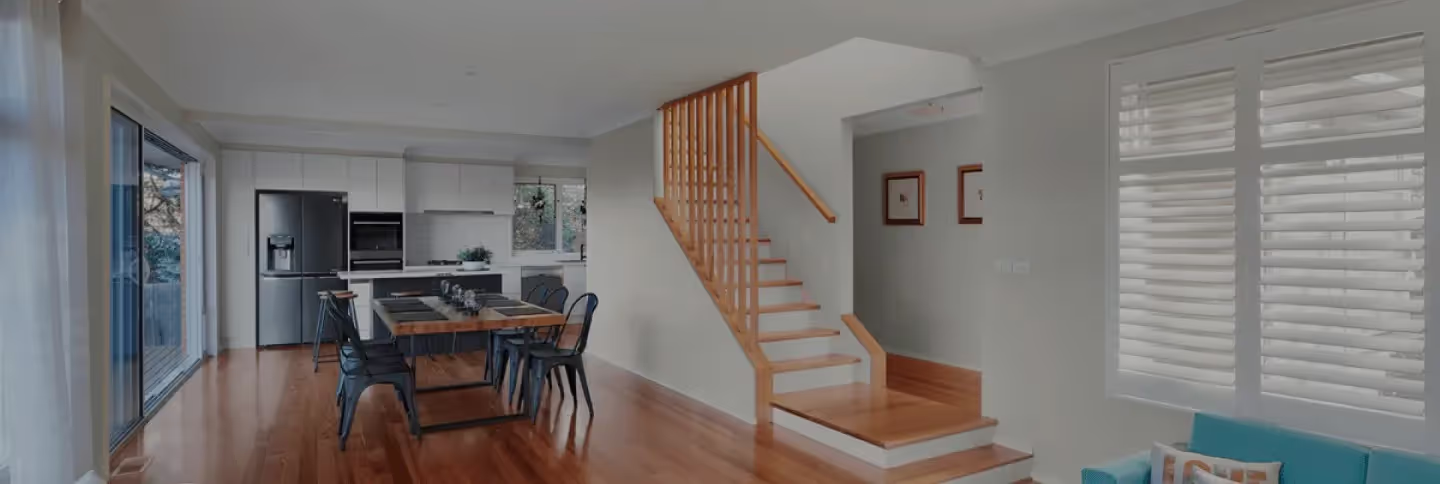
See all articlesModern kitchen and living area renovation
Building Advice
By
Supa Group
Supa Group
March 18, 2026
Director
March 18, 2026
4
minute read

What should you know before planning a house extension?

[section id="what-should-you-know-before-planning-a-house-extension" format="overview"]

Before planning a house extension, homeowners should understand the key considerations that shape the extension process. A home extension can make your property more comfortable for a growing family or add value before you sell, but it requires careful planning from the outset. It's essential to be clear about what you want to achieve, the amount of time you can allocate for the project, and the potential costs that may arise during the build.

You should also be aware of council requirements, permits, and any planning overlays that may affect your home. Heritage homes, in particular, often require additional approvals or specialised care. Taking time to research your goals and understanding these early requirements will help your project run more smoothly and reduce unexpected delays.

[/section]

[section id="1-time-frames" format="ul"]

1. Time frames

Extension timelines can vary widely depending on the scope of work, council requirements, and the complexity of your design.

A house extension in Melbourne can take anywhere from 12 months to complete, and additional town planning requirements may add more time. Understanding each phase of the extension process helps set realistic expectations and avoid unnecessary stress during the build.

[tip_box]

The home extension process goes through four main stages:

  • Research and planning: This is when you knuckle down and do your homework about what you want to achieve. Consider engaging a design and construction business, such as Supa Group. This should take 2-4 months.
  • Pre-construction: This phase involves seeking out the relevant development application (DA), organising tradespeople, and purchasing materials. This will take around 2 months. Lot size and planning overlays that require council consent can add another 6 to 12 months to the process.
  • Construction: If everything goes according to plan, this phase typically lasts 6 weeks for every $60,000 budgeted for the build. Expect to wait upwards of 6 months.
  • Post-construction: When work is complete, we will conduct a handover meeting. Before that, your home will be inspected for any defects. When the handover meeting occurs, the building surveyor will attend to do the final inspection, and the final certificate will be issued.
  • There is a 2-year warranty period for defects and a 10-year structural warranty.

[/tip_box]

[/section]

[section id="2-costs" format="ul"]

2. Costs

When planning a house extension, cost is one of the biggest deciding factors. Depending on the scope of work, a ground-floor extension may cost around $130,000, while a second-storey extension can start at around $250,000.

Although the investment may seem significant, a home extension can greatly improve your living space and add value to your home.

[tip_box]

According to realestate.com.au, these are some average costs for common extension works:

  • Bathroom: Around $17,500
  • Additional bedroom: Around $18,000
  • Kitchen: Around $40,000
  • New flooring: Up to $200 per square metre
  • Deck or patio: Up to $420 per square metre*
    *These costs are for basic builds; detailed costings require a tailored quote.

[/tip_box]

[/section]

[section id="3-council-processes" format="ul"]

3. Council processes

When planning a home extension, it's important to understand the council processes and planning permits that may affect your build. Local councils have specific rules around additions, demolitions and construction activity, and these requirements can influence both your timeline and your overall budget.

Here's what to expect during the approval process:

  • Building permits and regulations: These must be met before any work can begin.
  • Planning permits: Required for additions and demolitions of residential properties, especially when overlays apply.
  • On-site management permits: During construction, you may need parking, waste management and construction permits.
  • Additional costs: As a general rule, allow an extra 15% of your total build budget for council-related fees.

Navigating local regulations can be complex, but working with an experienced design and construction team helps streamline the approval process and prevents unnecessary delays.

[/section]

[section id="4-heritage-homes" format="ul"]

4. Heritage homes

If your home sits within a heritage overlay or a vegetation overlay, you'll likely need a planning permit before any renovation, demolition or exterior changes can take place. These requirements can impact the scope of your extension and may require additional steps to your planning timeline.

Many Australian suburbs are made up of homes with heritage or historical significance. Visit the City of Melbourne's heritage and planning resource for more information.

Key considerations for heritage properties:

  • A planning permit is usually required for renovations on homes within heritage or vegetation overlays.
  • Regulations may apply to exterior changes, demolitions, painting and fence construction.
  • Additional approvals may extend your overall timeline, so it's essential to confirm your home's status as early as possible.

If you're unsure whether your home is affected by a heritage overlay, seeking expert advice early can help you understand what's possible for your extension.

[/section]

[section id="project-roadblocks" format="ul"]

Project roadblocks

As with any big project, there are obstacles that can stall your home renovation project. Some are foreseeable, some may come as a surprise. It is often a common industry-wide challenge affecting both residential and commercial construction projects. Common pitfalls can include:

  • Poor or unsafe workmanship: This can lead to fines, delays or, in some cases, complete project restarts.
  • Inconsistent contractor availability: Sporadic progress can push out your build timeline.
  • Contractors being pulled to larger projects: Competing priorities may impact the pace of work.

Working with an experienced design and construction team helps prevent many of these challenges, keeping your extension on track from start to finish.

[/section]

[section id="what-types-of-building-contracts-apply-to-home-extensions-in-victoria" format="ul"]

What types of building contracts apply to home extensions in Victoria?

Before starting your home extension, it's important to understand how building contracts work in Victoria. Any building work exceeding $5,000 requires a contract, and only a registered builder can enter into a domestic building contract for works valued at more than $16,000.

Once this threshold is reached, domestic building insurance is also required. A clear, well-prepared contract helps set expectations around timelines, costs and responsibilities throughout your extension project.

Here's what your building contract should include:

  • Plans and specifications: These outline the materials, finishes and scope of works, and form part of the contract.
  • Agreed time frame: Establishes the duration of the construction project.
  • Agreed cost of works: Specifies the total build price, including any Prime Cost or Provisional Sum items.
  • Construction stages and payments: Defines each stage of the build and the amount payable at each milestone.
  • Guarantees and indemnities: Covers legal protection for both parties.
  • Variation Orders (VOs): Any changes to plans or specifications must be documented through a VO, including pricing adjustments.

There is a five-working-day cooling-off period after signing, giving clients time to review the contract. Once complete, the paperwork is best stored safely, ideally never needed again.

[/section]

[section id="what-should-be-included-in-your-agreement-for-building-work" format="ul"]

What should be included in your agreement for building work?

Before your home extension begins, your building agreement should clearly outline what is being delivered, how much it will cost and the responsibilities of both parties.

In Victoria, any work over $5,000 requires a written contract, and projects above $16,000 must be carried out by a registered builder with domestic building insurance in place.

Your building agreement should include:

  • Plans and specifications that outline materials and finishes.
  • Total contract price, including Prime Cost or Provisional Sum items.
  • Construction stages and payment schedule for each milestone.
  • Agreed timeframe for completing the build.
  • Guarantees and indemnities that protect both parties.
  • Variation Order process for any changes to the plans or costs.

[/section]

[section id="start-planning-your-extension-with-supa-group" format="overview"]

Start planning your extension with Supa Group

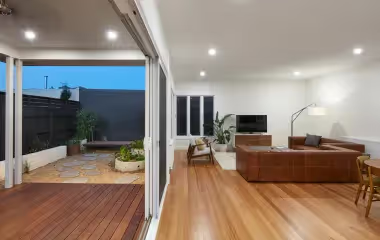
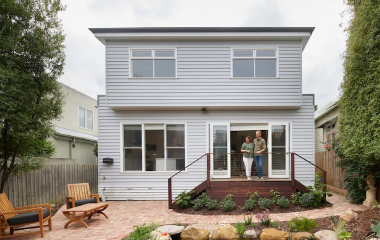
Rear house extension with large sliding doors connecting indoor living space to a timber deck.

Planning a house extension involves understanding timelines, costs, council requirements and the details of your building agreement. With the right preparation and support, your extension project can run smoothly and add lasting value to your home.

Supa Group offers a seamless end-to-end home extension service, combining design and construction expertise under one roof. Book a free consultation to discuss your plans and take the first step toward transforming your Melbourne home.

[free_consultation]

If you're planning for a seamless house extension process backed by 40 years of construction experience, contact Supa Group for your free consultation.

[/free_consultation]

[/section]
Related articles